Key Insights
Quick Facts
- Name: Powell Avenue Steam Plant Preservation
- Location: Birmingham, Alabama
- Customer: Hoar Construction
- Client: Alabama Power
- Our Solution: Lightweight aggregate from Arcosa was used to alleviate stress on the walls, reducing lateral pressure on the structure.
- Why Lightweight Works: The aggregate reduces the density of compacted fills by up to half, while its high internal friction angle minimizes lateral forces.
Final Results
-
The stresses on the brick walls were reduced by about 50%, ensuring the building’s structural stability for the next 100 years.
Key Quote
Context:
- Considerations: Revitalizing historic structures often requires balancing modern engineering solutions with preservation efforts. Using lightweight materials can significantly enhance the durability of older structures without compromising their integrity.
- Lessons Learned: Choosing the right material, such as lightweight aggregate, can extend the life of historic structures while reducing future maintenance costs.
Discover how Arcosa Lightweight helps in the geotechnical challenges
120-Year Old Industrial Space Renovated as Historic Destination
Lightweight aggregate from Arcosa Lightweight helps protect and stabilize a historic Birmingham structure, the Powell Avenue Steam Plant, originally built in 1895. Redeveloped by Alabama Power, the building is being preserved for its future as a downtown destination.
Birmingham, Alabama, known as “The Magic City,” rapidly became the industrial center of the South. Today, 145 years later, it is recognized worldwide for medical research, banking, and high-tech manufacturing. The city’s historic core is undergoing revitalization, with new developments rising alongside restored landmarks from the past century.
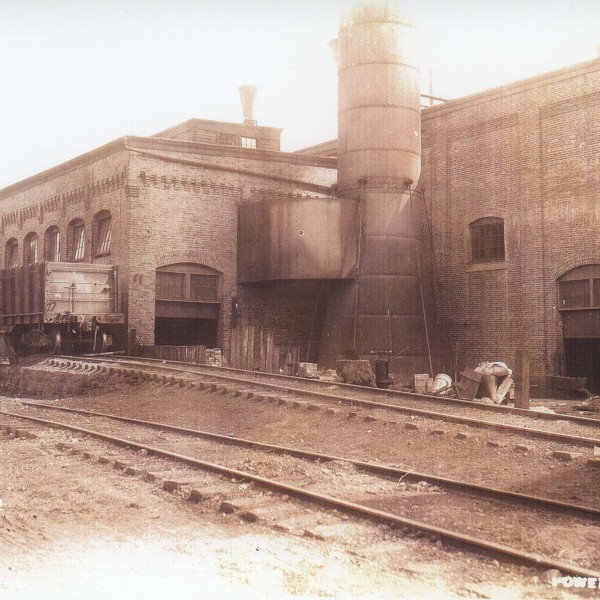
One such landmark is the former steam plant that powered Birmingham’s downtown and streetcar system.
Clayton McKinnon, P.E., who was Director of Business Development at Hoar Construction during the restoration project, notes, “The facility was the original power plant for downtown Birmingham. We started here in 2013, decommissioning the plant, focusing on structural restoration, and getting the building stabilized for future use.”
McKinnon, now the Regional Development Director for the Gulf States Office at Agracel, oversaw the early stages of the project.
Challenge: Reducing Wall Stress
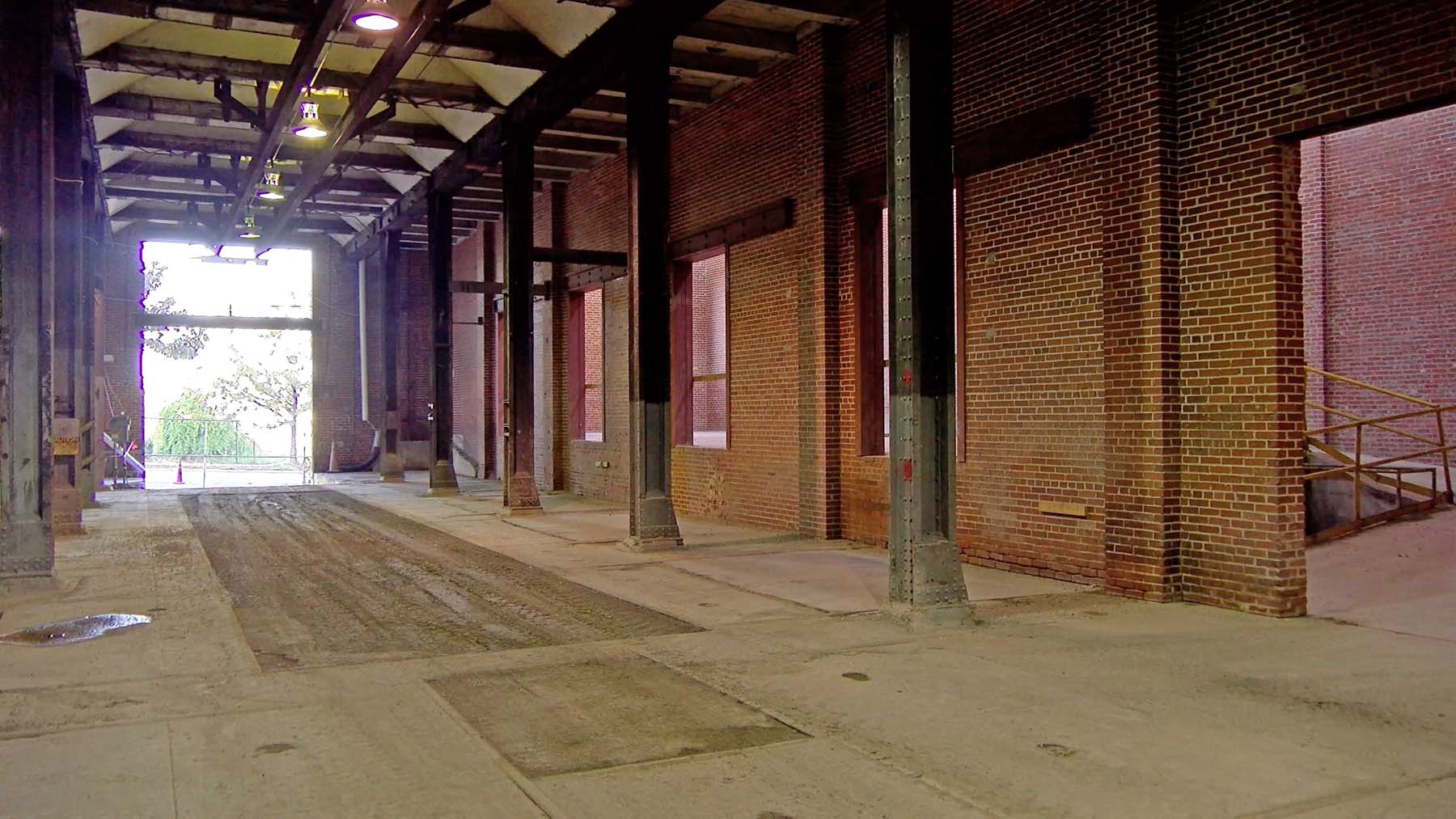
During the restoration, the team had to address the north side of the building, which had been backfilled in the 1930s when a railroad was elevated through downtown Birmingham. This created potential stresses on the walls, especially when the team needed to excavate to install waterproofing.
Geotechnical engineers from Bhate Geosciences and LBYD Civil and Structural Engineers selected lightweight aggregate from Arcosa to protect the century-old walls. McKinnon explains,
“After investigating several options, lightweight aggregate emerged as the best solution due to its properties.”
Arcosa’s lightweight aggregate, produced at the Livingston, Alabama plant, reduces the density of compacted fills by up to half. This significantly lessens lateral pressure on structures, making it ideal for sensitive projects like this one.
Results: A Stabilized Future
The 18-inch-thick brick walls of the former steam plant were successfully reinforced, with McKinnon noting, “The use of lightweight aggregate reduced stresses on the wall by about half, ensuring it will last another century.”
Although redevelopment is currently on hold, the structure has been stabilized and preserved for future use. Its next chapter as a historic destination in downtown Birmingham is ready to unfold.