Key Insights
Quick Facts
- Name: New Orleans Veterans Administration Medical Center
- Location: New Orleans, Louisiana
- Customer: Carlo Ditta Ready Mix
- Client: Veterans Administration
- Size: $995 million project
- Our Solution: Arcosa supplied lightweight aggregate to Carlo Ditta Ready Mix, enabling them to produce lightweight concrete for the project. The use of this lightweight aggregate helped achieve the required fire ratings while using less concrete, reducing overall material costs and structural load.
- Why Lightweight Works: Arcosa’s lightweight aggregate lowered the weight of the concrete without compromising strength. This allowed for the use of smaller beams and columns, which reduced the overall amount of steel and concrete required for the project, translating into significant cost savings.
Final Results
-
Carlo Ditta Ready Mix used 15,000 cubic yards of lightweight aggregate to produce over 30,000 cubic yards of concrete. The lightweight concrete slabs were up to one inch thinner than standard slabs, meeting fire codes and structural requirements while also improving construction efficiency.
Key Quote
Context:
- Considerations: Using lightweight concrete significantly reduced the dead load of the building, allowing for smaller structural supports and reducing the total material used.
- Lessons Learned: Lightweight aggregate can greatly reduce the material and cost requirements for large-scale construction projects, while still meeting critical safety standards, including fire ratings and structural strength.
Arcosa Lightweight aggregates provide a solution for large-scale infrastructure and healthcare projects, offering material efficiency, structural integrity, and compliance with safety standards.
Arcosa’s Lightweight Aggregate Key to Cost-Saving and Efficiency in New Orleans VA Medical Center Rebuild
In New Orleans, Arcosa’s lightweight aggregate provided cost-saving and construction advantages during the replacement of the city’s Veterans Administration Medical Center, which was severely damaged by hurricane flooding.
In the aftermath of Hurricane Katrina, the downtown New Orleans VA Medical Center was devastated. Plans to replace the heavily damaged facility were dubbed “Project Legacy.” The $995 million project became one of the largest construction efforts in the history of New Orleans. The medical campus spans 12 city blocks and includes multiple buildings for treatment, rehabilitation, research, and administration, as well as two separate parking structures.
Lightweight Offers Advantages
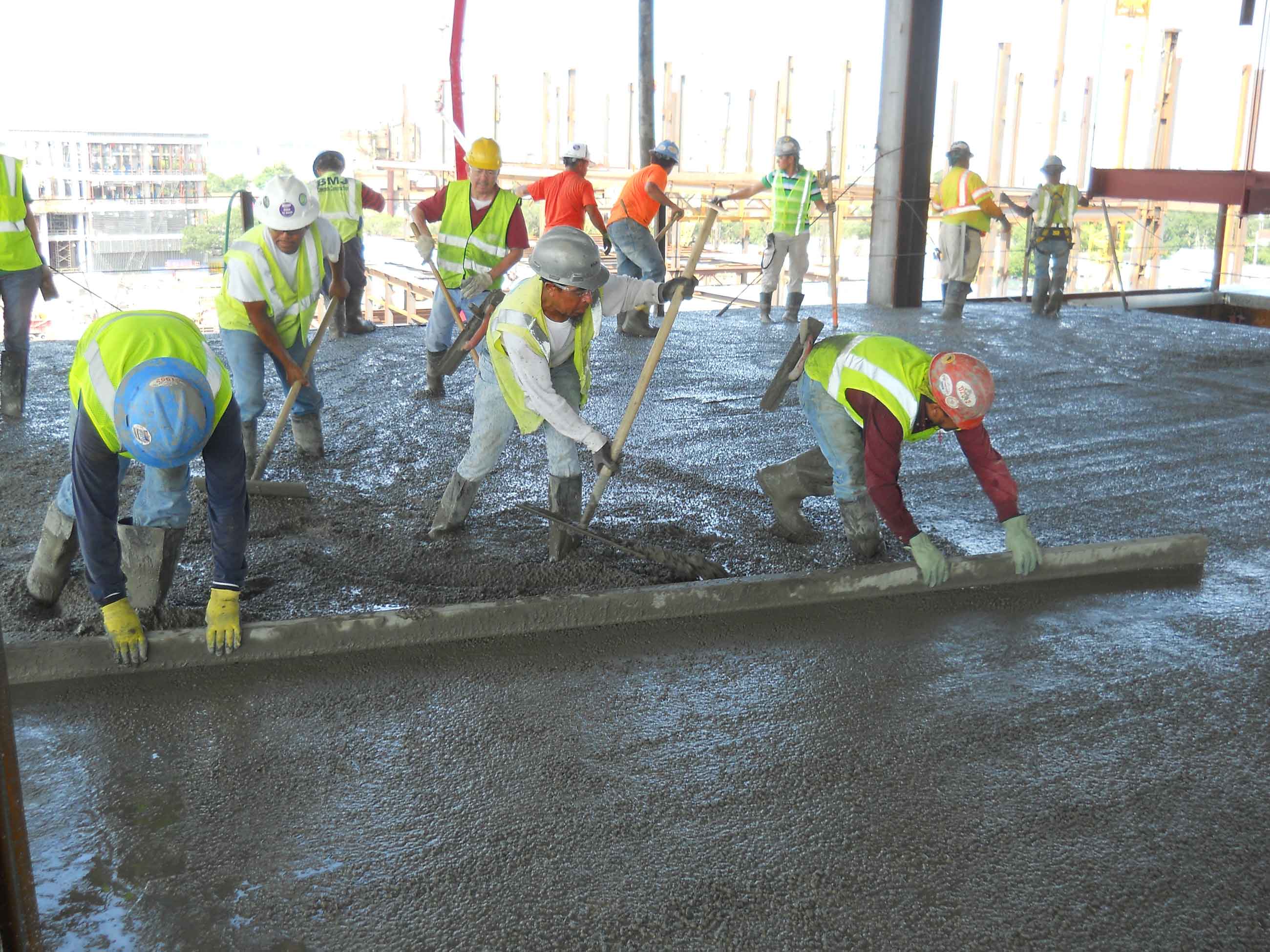
“Utilizing concrete produced with lightweight aggregate on the metal decking as the floor/ceiling assembly is a typical application for our product,” says Bill Wolfe, Marketing & Technical Manager at Arcosa Lightweight.
Arcosa’s lightweight aggregate provided significant advantages for the New Orleans VA project. “First, contractors can achieve the necessary fire rating for the buildings while using significantly less concrete compared to normal weight concrete. Using less concrete translates into cost savings,” explains Wolfe.
“Second, using lower density concrete means less weight and a significant reduction in the dead load of the building from top to bottom,” adds Wolfe. The supportive beams and columns can often be reduced in size, meaning the structure requires less steel and less concrete. “To put it simply, less weight means less material used in construction, and that means lower cost,” says Wolfe.
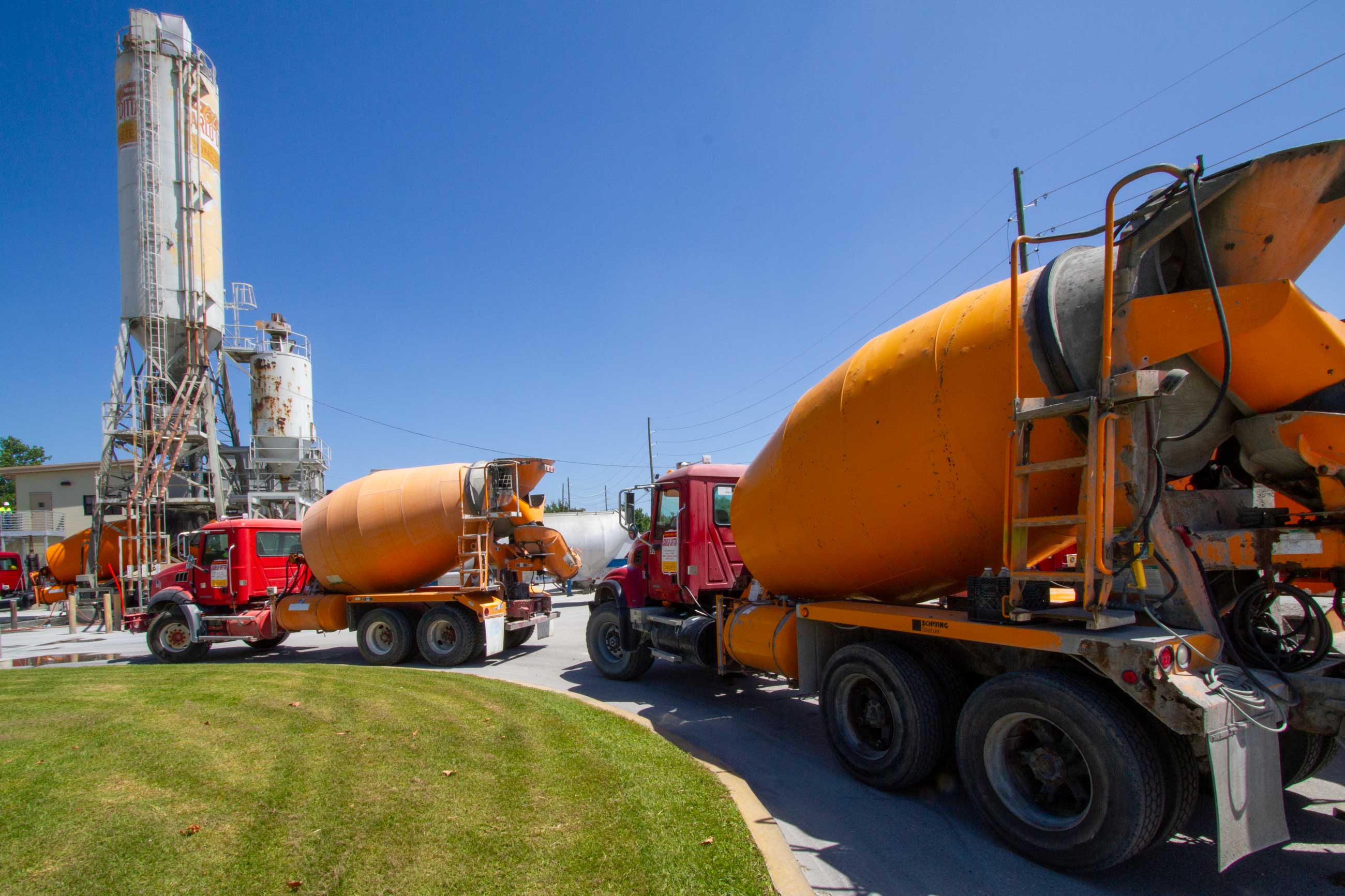
Concrete Supplier: Carlo Ditta Ready Mix
“Lightweight aggregate definitely offers advantages,” says Joseph Ditta. “We achieve the desired structural strength and meet the strict fire codes with concrete floor slabs up to one inch thinner. Some 15,000 cubic yards of lightweight aggregate were used in more than 30,000 cubic yards of concrete throughout the new buildings, as well as in the rehabbing of many buildings damaged by flooding during Katrina.”
Today, the New Orleans VA Medical Center meets a wide array of VA missions: education, research, and assistance. In the event of an emergency, the medical center has 100% backup power that can last for up to five days, and all mission-critical functions are located at least 20 feet above ground.